Bitter Lake Reservoir Improvement Project Update – October 2026

|
A Community News Website for Broadview
|
You can help shape the future of one of Seattle’s busiest streets by joining our new Aurora Ave Project Community Advisory Group (CAG).
By participating, you’ll help ensure that new traffic safety ideas reflect the needs of the diverse communities along Aurora Ave N.
Members will:
Together, we will help make transportation along Aurora Ave N safer for everyone and more sustainable, accessible, and affordable.
Applications are now open! Apply by Friday, May 15 at 11:59 PM
The salmon return has begun at Carkeek Park.
Dozens of fish have been spotted in the lower sections of Piper’s Creek and the estuary. It’s still early in the season and more salmon are entering the creeks daily. Hopefully some upcoming rain this week will help make their trek easier.
See more information at link below.
https://www.carkeekwatershed.org/11-08-2025-salmon-survey-update/
Dale Johnson
Broadview-Bitter Lake Community Council will once again be co-sponsoring the Candidates Night with Haller Lake at the Haller Lake Community Club.
Thursday, September 5, 2024
7:00 – 8:30pm
(Social time 6:45-7:00 pm)
This is a great opportunity to meet some of the candidates running for office in the upcoming elections, and get answers to your questions. You can submit questions the night of the event, or email them beforehand.
Unable to attend in person? Join us virtually on Zoom.

Public Forum with finalists on Monday, July 21
Today, July 17th, in a special meeting, the City Council named six finalists to fill the vacancy representing District 5, left by former City Councilmember Cathy Moore.
A list of 22 eligible applicants with completed application materials was made available to the public on the Council Vacancy webpage on Friday, July 11. Councilmembers chose the six finalists from the list of 22 qualified applicants provided by the City Clerk.
The Council has also selected Unified Outreach to host a public forum with the finalists, giving the community a chance to hear from the candidates before the final selection is made. Each of the finalists is required to participate in the public forum and in a July 22 Special Council Meeting in order to move forward in the process to fill the Council vacancy.
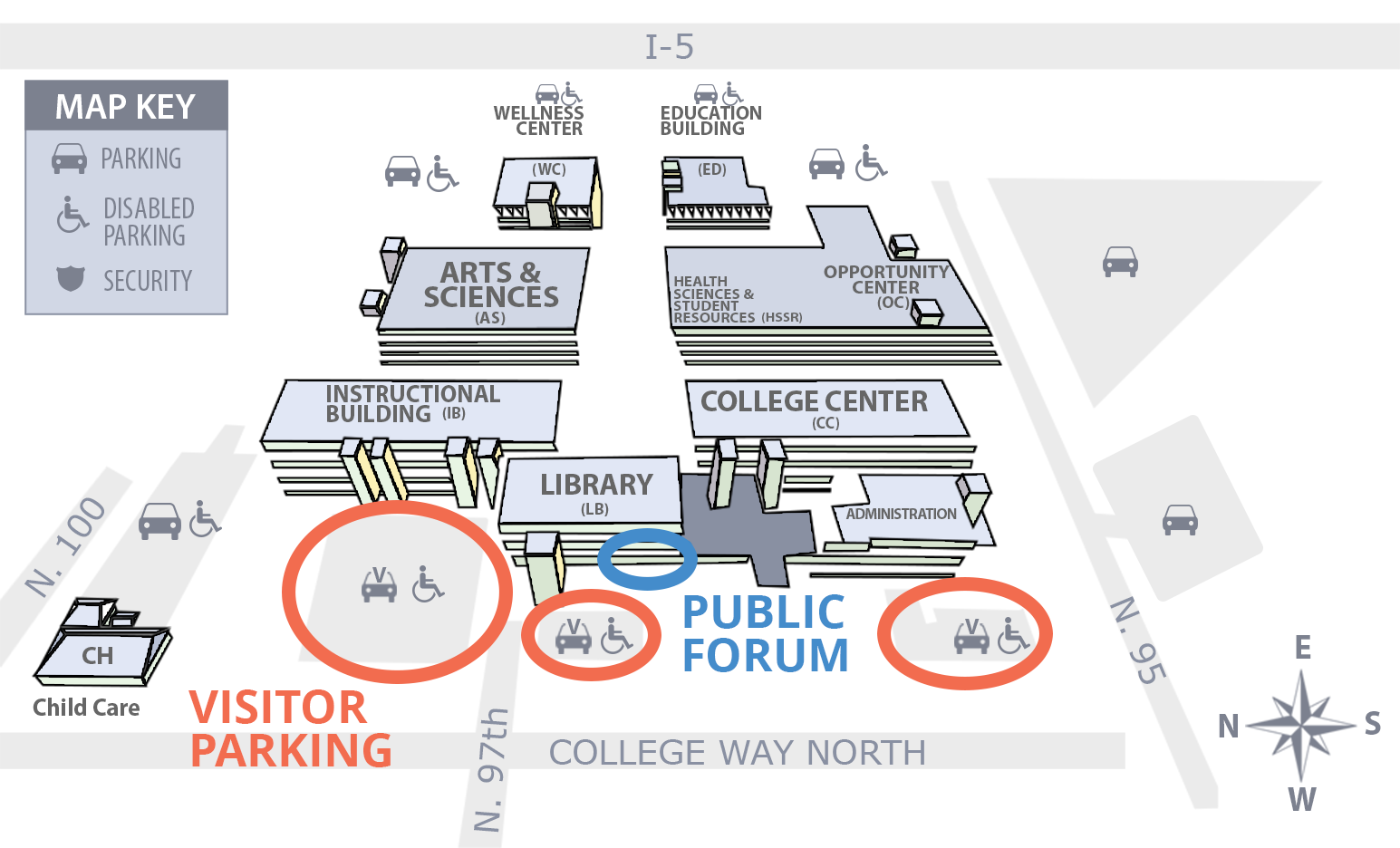
The public forum will be held on Monday, July 21 from 5:30 p.m. – 8 p.m. in the Auditorium, Room LB 1207, first floor of the Library Building at North Seattle College, located at 9600 College Way North in Seattle. Moderators will be Ed Dumas, Executive Director of Unified Outreach, and April Goode, Operations Manager.
Community members attending the public forum can request an interpreter, translation or disability accommodation, if needed. The public forum will also be streamed live on the Seattle Channel.
Background
Councilmember Cathy Moore resigned her seat on the Seattle City Council, effective July 7, 2025, leaving a vacancy on the Council. The City Charter gives the Council 20 calendar days to fill a vacant Council position, which ends on July 28. From the date of the appointment, the newly appointed councilmember will serve until the 2026 General Election results are certified and a successful candidate has been sworn in.
What’s next
The Council will meet on July 22 to interview finalists. A vote on the final appointment is expected to take place on July 28. The successful candidate will need to gather a simple majority of five votes from the Council.
by on July 7, 2025
On June 30, 2025, several adopted pieces of legislation became effective in Seattle related to compliance with State laws aimed to boost housing supply and diversify housing options in Seattle’s residential zones. These code changes, put forward by Mayor Harrell and adopted by Council, are known as the HB1337 and HB1110 Compliance Bills (Ord. 127211 and 127219 respectively).

The changes to the Land Use Code create a flexible framework to boost housing supply that aligns with state goals to address Washington’s housing shortage, estimated at 140,000–250,000 units. These changes will diversify housing options and reduce barriers to constructing Accessory Dwelling Units (ADUs) and several other housing types, often referred to as Middle Housing. Together, these laws position Seattle to accommodate population growth, reduce sprawl, and enhance housing access.
ADUs
Seattle’s previously adopted ADU rules varied by zone. All general standards for ADUs are now consolidated in SMC 23.42.022 and are consistent between all zones that allow residential development. The new ADU standards also include more flexibility including:
Middle Housing
The second ordinance, the HB1110 Compliance Ordinance, will adopt new rules to encourage several types of housing Citywide. This ordinance will allow up to 4 units on every residential lot and up to 6 units when the development provides low-income housing or is located near major transit stops. Code changes to the Neighborhood Residential and Lowrise code are extensive and include measures such as:
Our online Seattle Municipal Code may take several months to be updated to the new regulations and so a consolidated version of these codes is provided on the Office of Planning and Community Development’s website. If you have questions about these new rules, visit our website or submit your question to our Virtual Applicant Services Center. See our Opinion Letter page for a list of our paid land use information services for specific questions regarding the eligibility of an existing lot to accommodate additional density or to request more detailed zoning information.
Carkeek EarthKeepers Camp, ages 6-12. With different themes each week, campers get to explore the 220 acres of natural space at Carkeek Park, including forest, meadows, wetlands, creeks, and the saltwater beach.
Scholarships are available. Detailed information available here.
Aurora Ave N Bus Lane Hours Expanding to 24/7
|
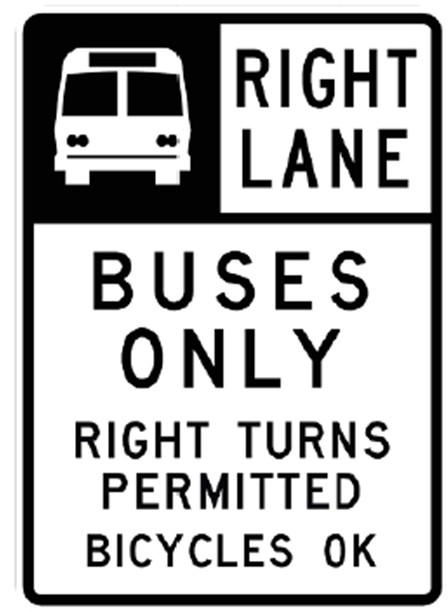
We are reaching out to share updates about changes to the bus lanes on Aurora Ave (SR 99). In the next month, we’re changing the existing bus/parking lanes on Aurora to be bus-only lanes and prohibiting parking to support reliable transit trips throughout the day. These changes are taking place in preparation for increased traffic expected during upcoming construction on I-5 as part of the Washington State Department of Transportation’s (WSDOT) Revive I-5 program. The Aurora bus-only lanes are currently in effect during morning and evening peak commute times. They will change to be in effect all day, every day as new signage is installed this spring. This will help ensure a reliable trip for people on the RapidRide E Line, while managing extra traffic on Aurora Ave during the upcoming I-5 lane closures. The expanded bus lane hours are expected to take effect before the start of Revive I-5 construction. We have been working together with businesses and the community along Aurora Ave to prepare for these changes. What’s changing with Aurora Ave bus lanes?
What to Expect:
What does this mean for parking and loading?
If you have questions about the Aurora Ave bus lanes, please reach out to aurorabuslanes@seattle.gov To stay up to date with the overall Aurora Ave project updates, please visit www.seattle.gov/transportation/auroraproject To learn more about the Revive I-5 schedule and other details, please visit WSDOT’s Revive I-5 project page. Thanks, Christa Dumpys Public Engagement Lead City of Seattle, Seattle Department of Transportation
|